
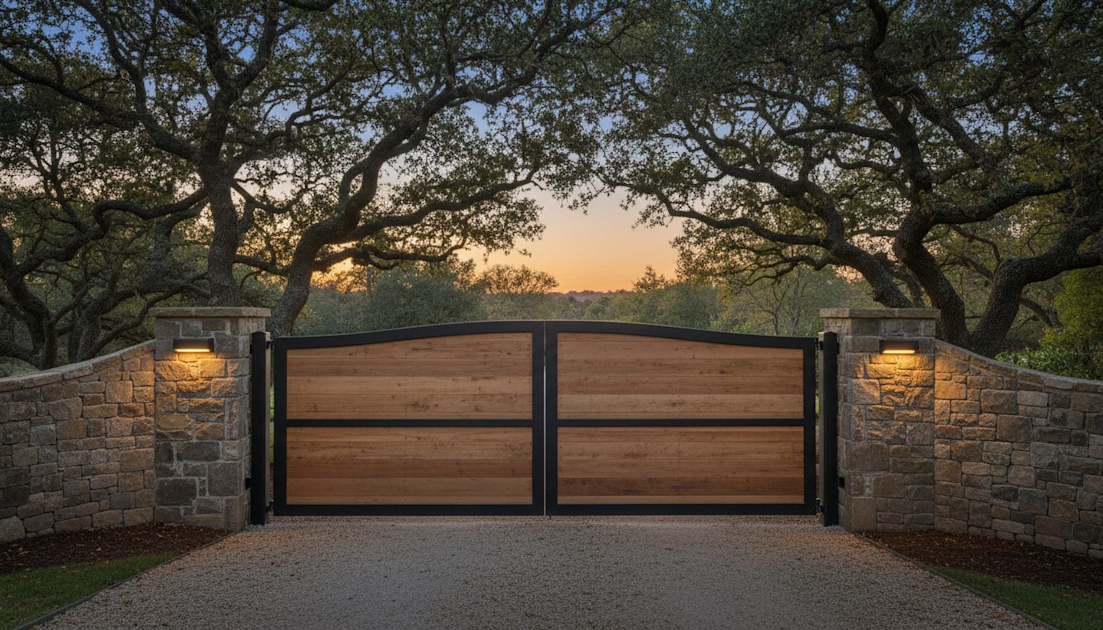


Quick Answer: Yes, in most cases, you will need a permit for a new driveway gate installation or significant modification in Sacramento, both within the City of Sacramento and unincorporated Sacramento County. This is primarily to ensure compliance with critical safety standards like UL 325 and local building codes, especially if the gate is motorized, over a certain height, or involves any electrical work.
Do You Need a Permit for a Driveway Gate in Sacramento? Understanding Local Requirements
The short answer for most Sacramento property owners considering a new driveway gate is yes, a permit is typically required. Whether you’re in the heart of the City of Sacramento or in the surrounding unincorporated areas of Sacramento County, local building departments enforce regulations to ensure public safety, proper construction, and compliance with zoning ordinances. These requirements become especially stringent when the gate is automated or involves any electrical components.
The primary triggers for needing a permit include:
- Motorized Gates: Any gate operator (like a LiftMaster LA500 or a HySecurity SlideDriver) that automates your gate’s movement falls under strict safety regulations, most notably UL 325. These systems require electrical connections and specific safety devices.
- Structural Changes: If your gate installation involves significant concrete work, new columns, or alterations to existing fences that change their structural integrity or height, it will likely require a permit.
- Electrical Work: Running new electrical lines for a gate operator, keypads, or photo-eyes necessitates an electrical permit to ensure wiring is up to code and safely installed.
- Height or Size: Gates exceeding certain height restrictions (often 6 or 7 feet, depending on zoning and specific location on the property) or those that significantly alter property aesthetics may require planning department review in addition to a building permit.
At DC Controls, we navigate these requirements daily for our clients. We understand that deciphering local ordinances can be complex, and our role as a licensed CA C-13 contractor (license #1114559) often involves guiding you through the specific permitting needs for your Sacramento property. Our experience shows that attempting to bypass the permit process can lead to significant headaches down the line, from costly fines to mandatory removal.
Why Sacramento’s Permitting Matters: Safety, Compliance, and Your Investment
Obtaining a permit for your driveway gate isn’t just about following rules; it’s a critical step in protecting your family, your property, and your investment. Unpermitted gate installations, especially automated ones, pose significant safety hazards and financial risks.
Ensuring Uncompromising Safety Standards
The most crucial aspect of gate permitting, particularly for automated systems, revolves around safety. The UL 325 standard is the industry benchmark for gate operator safety, dictating requirements for entrapment protection devices, gate construction, and proper installation. For vehicular gates, ASTM F2200 further outlines specific design and construction safety standards to prevent injury.
- Entrapment Protection: Permitted installations mandate safety features like photo-eyes (infrared sensors that detect obstructions) and sensing edges (pressure-sensitive strips on the gate edge). These devices are designed to reverse or stop the gate’s movement if a person, pet, or vehicle is in its path, preventing serious injury or even fatalities. We’ve seen firsthand how easily an unequipped gate can cause harm.
- Proper Gate Construction: Permitting ensures your gate itself is structurally sound, properly balanced, and has appropriate clearances. This prevents issues like gates falling off tracks or jamming, which can be dangerous and costly to repair.
- Electrical Safety: All electrical work must comply with the National Electrical Code (NEC) and local amendments. This prevents fire hazards, electrical shocks, and ensures reliable operation for components like your LiftMaster Mega Slide or DoorKing 9150 operator.
Legal Compliance and Financial Protection
Beyond safety, permits protect you legally and financially:
- Avoid Fines and Penalties: Sacramento City and County building departments can issue hefty fines for unpermitted work. In severe cases, they can even order the removal of the gate, resulting in a complete loss of your investment.
- Insurance Coverage: Many homeowner’s insurance policies may not cover damages or liability claims related to unpermitted structures. If an accident occurs with an unpermitted gate, you could be held personally liable.
- Property Value and Sale: When you sell your property, unpermitted improvements can be a red flag for buyers and their inspectors. It can delay or even derail a sale, and you may be forced to obtain permits retroactively or remove the gate, often at a higher cost.
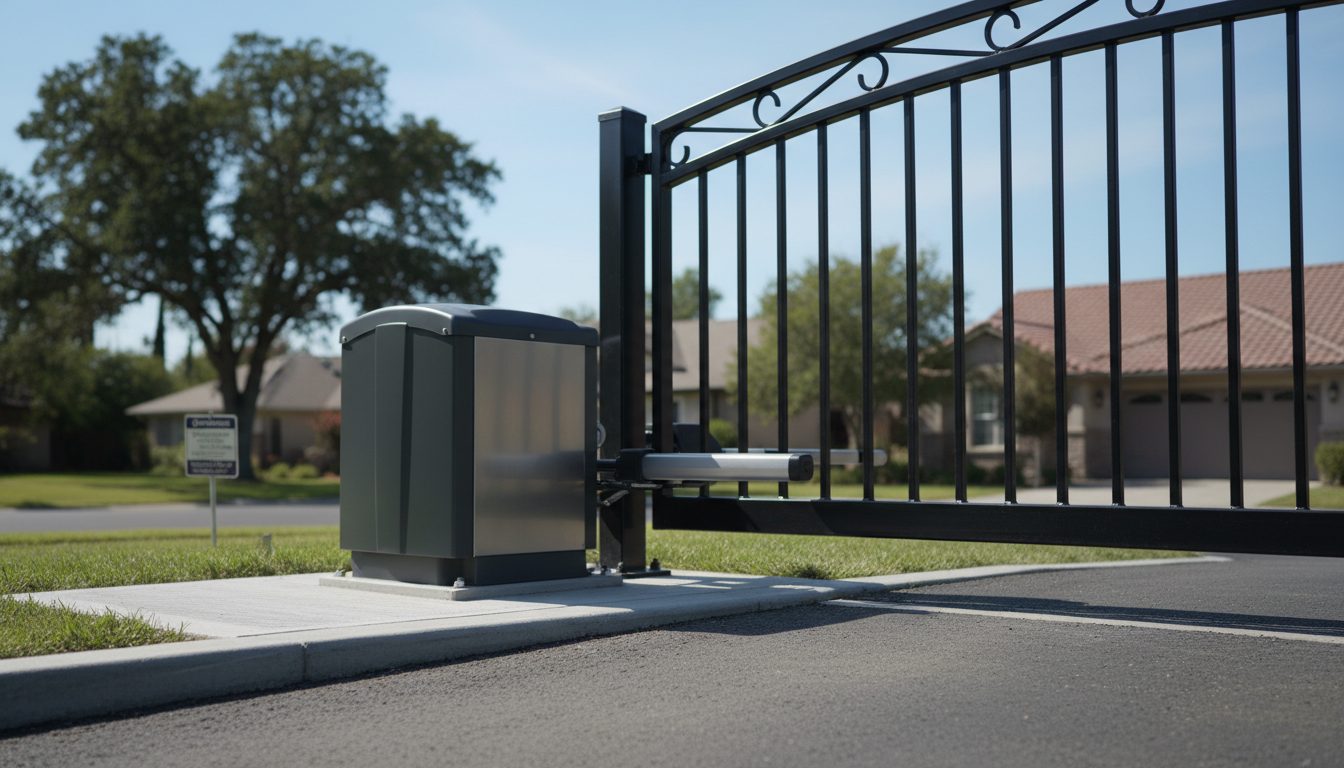
A properly permitted gate is a testament to quality, safety, and long-term value.
The Sacramento Driveway Gate Permit Process: A Step-by-Step Guide
Navigating the permit process can seem daunting, but when you work with experienced professionals like DC Controls, it becomes a streamlined part of your project. Our team handles the heavy lifting, ensuring all documentation is accurate and submitted correctly to the City of Sacramento or Sacramento County building department.
Here’s a general overview of the typical permit process for a driveway gate installation:
- Initial Consultation & Site Assessment: We begin by understanding your needs, assessing your property, and discussing gate type (e.g., V-track slide gate, cantilever gate, swing gate) and access control requirements (e.g., DoorKing 1838 Telephone Entry, keypad, remote). We’ll identify any potential zoning or HOA restrictions specific to your Sacramento location.
- Design and Plan Development: Based on our assessment, we’ll design your gate system, including gate dimensions, operator specifications (e.g., AC hydraulic vs. DC operators, considering duty cycle), safety device placement, and electrical layout. Detailed plans, including site maps and engineering drawings if necessary, are prepared.
- Permit Application Submission: We compile all required documentation, including application forms, detailed plans, and any supporting structural or electrical calculations. These are submitted to the appropriate Sacramento building department (City or County).
- Plan Review and Revisions: The building department reviews the plans for compliance with all local codes, including UL 325 for operators and NEC for electrical. They may request revisions or additional information, which we promptly address.
- Permit Issuance: Once the plans are approved and all fees are paid, the building permit is issued. This permit must be posted prominently on your property during the installation phase.
- Installation and Inspections: Our licensed technicians proceed with the installation. Key stages of the project, such as the electrical rough-in and the final gate installation, will require inspections by the building department. Inspectors verify that the work adheres to the approved plans and all safety codes.
- Final Approval: Upon successful completion of all inspections, the permit is closed, signifying that your gate installation is fully compliant and safe.
Factors Affecting Permit Complexity and Timeline
The complexity and timeline for obtaining a permit can vary significantly based on several factors:
- Gate Type and Scope: A simple residential swing gate might have a quicker review than a complex commercial cantilever gate with extensive access control integration.
- Property Location: Projects within specific Sacramento historic districts, flood zones, or areas with stringent HOA requirements may involve additional reviews and approvals.
- Existing Infrastructure: If extensive trenching for new electrical lines or data cables is required, it can add layers to the permit.
- Building Department Workload: Review times can fluctuate depending on the current volume of applications at the City of Sacramento or Sacramento County building department.
Navigating Sacramento-Specific Challenges & Costs for Permitted Gate Projects
Installing a driveway gate in the Sacramento area comes with its own set of local considerations, from climate impacts to property-specific challenges, all of which can influence permitting and overall project costs.
Local Sacramento Context and Design Considerations
- Property Line Setbacks: Sacramento zoning laws dictate how close structures, including gates and fences, can be to property lines. This is crucial for swing gates, ensuring they don’t open into public right-of-ways, and for slide gates, ensuring they don’t encroach on adjacent properties when fully open. We’ll verify these specific requirements for your address.
- HOA Regulations: Many planned communities in Sacramento have Homeowners Association (HOA) covenants that specify gate styles, materials, colors, and even operational hours. These often require separate HOA approval in addition to city/county permits.
- Central Valley Climate: The hot Sacramento summers mean gate materials need to be durable. Steel gates are popular, but proper powder coating is essential to prevent rust. Operators must be robust enough to handle high temperatures; for instance, a LiftMaster LA412 is well-suited for residential use, while a HySecurity SlideDriver offers industrial-grade performance for heavier, high-cycle applications. Power outages, especially during PSPS events, make reliable battery backup systems a critical consideration for continuous operation.
Understanding Project Costs for Permitted Gates
The cost of a permitted driveway gate installation in Sacramento can vary widely, typically ranging from $8,000 to $25,000+ for a complete system, including the gate, operator, access control, electrical work, and permit fees. Most DC Controls installs in this range fall between $12,000 and $18,000, depending on several key factors:
- Gate Material and Design: Custom wrought iron or ornamental steel gates will cost more than standard aluminum or wood-clad options.
- Gate Operator (Motor): Residential operators like the LiftMaster LA500 are less expensive than heavy-duty commercial units such as the HySecurity StrongArm or a FAAC S800H for high-cycle applications. The operator’s duty cycle (how often it can run) directly impacts its price and longevity.
- Access Control System: Simple keypads or remote controls are budget-friendly. Advanced systems, like a DoorKing 1838 Telephone Entry System with integrated video or Bluetooth access, add to the cost.
- Electrical Work and Trenching: Running new power lines and low-voltage wiring for safety devices and access control often involves significant trenching, which adds to labor and material costs. Considerations like voltage drop over long distances may necessitate larger gauge wiring.
- Site Preparation: Extensive grading, concrete pads for operators, or new column construction will increase overall expenses.
- Permit Fees: These vary by jurisdiction (City vs. County) and the scope of work, usually ranging from a few hundred dollars to over a thousand, covering plan review and inspections.
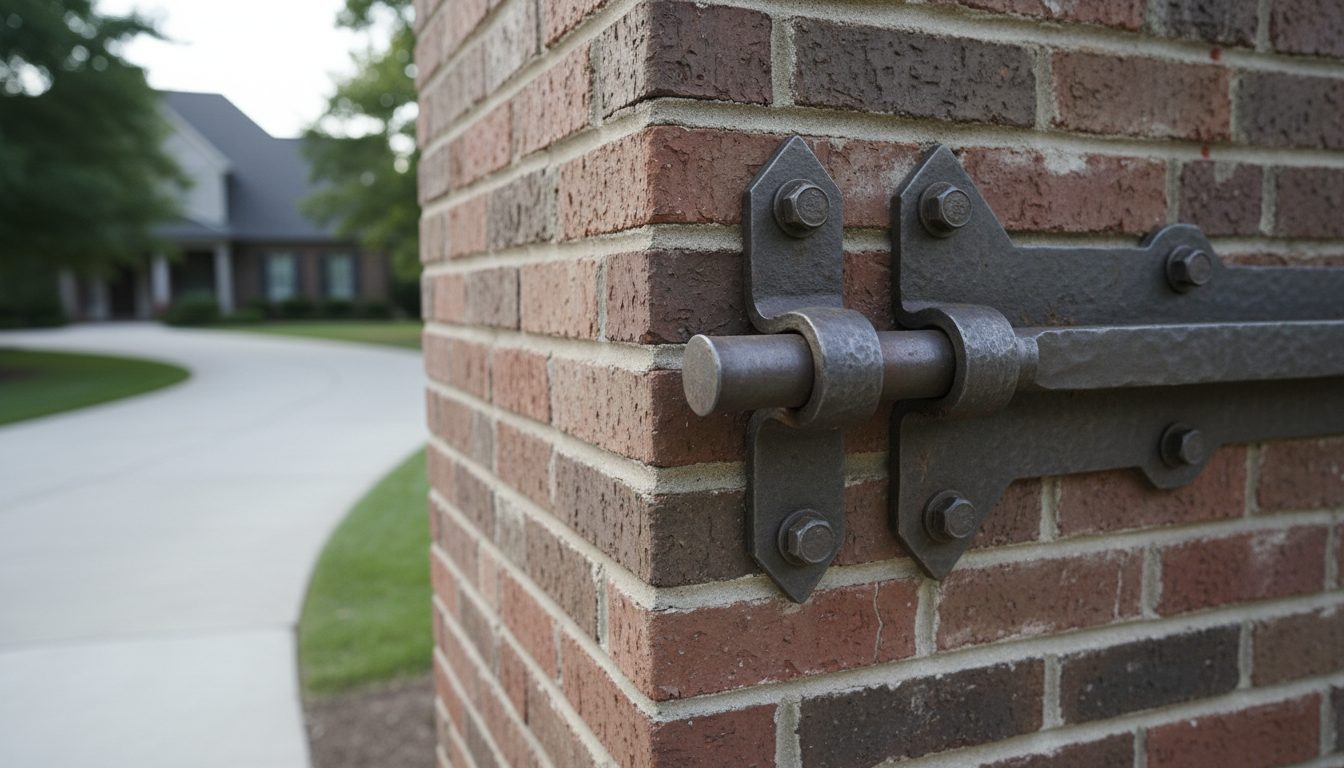
When evaluating quotes, always ensure they explicitly include all permit-related costs and outline the specific safety components that will be installed.
Avoiding Common Pitfalls: Why Professional Installation is Key to Permitting Success
While a DIY approach might seem appealing for cost savings, navigating the complexities of Sacramento’s gate permitting and installation codes is where professional expertise truly shines. As a licensed CA C-13 contractor (license #1114559), DC Controls ensures your project not only meets but often exceeds local requirements, saving you time, money, and potential headaches in the long run.
The Risks of DIY Permitting and Installation
- Permit Denial or Delays: Without an intimate understanding of local codes, design specifications, and required documentation, your permit application can be rejected, leading to costly delays and multiple resubmissions.
- Failed Inspections: Common reasons for failed inspections include incorrect wiring, insufficient concrete footings, improper gate clearances, and, most frequently, missing or incorrectly installed safety devices (photo-eyes, sensing edges). A failed inspection means delays, additional work, and re-inspection fees.
- Safety Non-Compliance: The biggest risk with DIY is often safety. UL 325 is a complex standard, and improper installation of gate operators can create dangerous entrapment zones. We’ve seen instances where homeowners attempted to install operators without proper safety loops or photo-eyes, creating serious hazards.
- Warranty Issues: Many gate operators and access control systems require professional installation by certified technicians to maintain their warranties.
- Long-Term Reliability: A gate is a heavy, moving piece of equipment. Proper installation by experienced technicians ensures longevity, reducing the likelihood of premature wear, breakdowns, and expensive repairs for components like Viking Access operators or Nice/Hi-O systems.
The DC Controls Advantage: Expertise and Peace of Mind
Engaging a licensed contractor like DC Controls for your Sacramento driveway gate project offers several distinct advantages:
- Code Expertise: We stay current with all City of Sacramento and Sacramento County building codes, zoning ordinances, and industry safety standards (UL 325, ASTM F2200). We know what’s required for a successful permit application and inspection.
- Comprehensive Project Management: From initial design to final inspection, we manage the entire permit process. We prepare plans, submit applications, respond to inquiries, and schedule inspections, ensuring a smooth journey.
- Guaranteed Compliance: Our installations adhere strictly to safety protocols, including the correct placement and wiring of all entrapment protection devices. We use high-quality, code-compliant materials and proven techniques.
- Skilled Technicians: Our team comprises factory-trained and certified technicians experienced with a wide range of gate operators and access control systems, including leading brands like LiftMaster, DoorKing, HySecurity, Viking Access, Nice/Hi-O, FAAC, BFT, and CAME.
- Long-Term Support: Beyond installation, we offer maintenance and repair services to keep your permitted gate system running safely and efficiently for years to come.
Choosing a professional ensures your Sacramento driveway gate is not only beautiful and functional but also fully compliant, safe, and a valuable asset to your property.
Frequently Asked Questions
How long does it take to get a gate permit in Sacramento?
The timeline for obtaining a gate permit in Sacramento can vary, typically ranging from 2-6 weeks for residential projects, depending on the complexity of the plans, the completeness of the application, and the current workload of the City or County building department.
What happens if I install a gate without a permit?
Installing a gate without a required permit can lead to significant penalties, including fines, stop-work orders, and potentially being forced to remove the gate or pay higher fees for retroactive permitting. It can also void your homeowner’s insurance coverage for any related incidents.
Are there different permit requirements for commercial vs. residential gates?
Yes, commercial gates often have more stringent requirements due to higher usage, larger size, and different safety considerations. They may require more extensive engineering plans, higher-duty cycle operators, and specific fire department access features.
Do I need a permit for a gate repair or replacement?
Minor repairs, like replacing a remote or a photo-eye, typically do not require a permit. However, significant modifications, such as replacing the gate operator with a different model, changing the gate’s structure, or extensive electrical work, usually do.
What are the most common safety features required by UL 325?
UL 325 commonly requires multiple layers of entrapment protection, including reversing mechanisms built into the operator, external devices like photo-eyes (non-contact sensors) that detect objects in the gate’s path, and sensing edges (contact sensors) that detect pressure on the gate itself.
How much do permit fees typically cost in Sacramento?
Permit fees for driveway gates in Sacramento can range from a few hundred dollars up to over a thousand, depending on the scope of work (e.g., just electrical, or structural plus electrical), the overall project valuation, and whether you’re in City or County jurisdiction. These fees cover the cost of plan review and inspections.
Ready to Secure Your Sacramento Property?
Understanding the ins and outs of driveway gate permits in Sacramento is the first step toward a secure, compliant, and reliable gate system. At DC Controls, we pride ourselves on delivering not just exceptional gate installations, but also peace of mind. Our team, backed by CA C-13 contractor license #1114559, is ready to guide you through every stage, from initial design and permit acquisition to expert installation and ongoing maintenance. Contact us today for a consultation and let us help you enhance your property with a professionally installed, fully permitted driveway gate.

